
In Deschutes National Forest, active forest management improves forest resilience, addresses the risk of severe wildfires, and provides a viable market for the material generated from forest management.
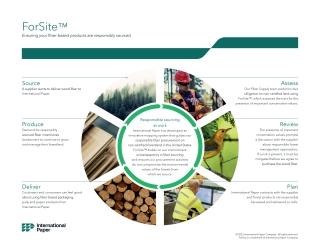
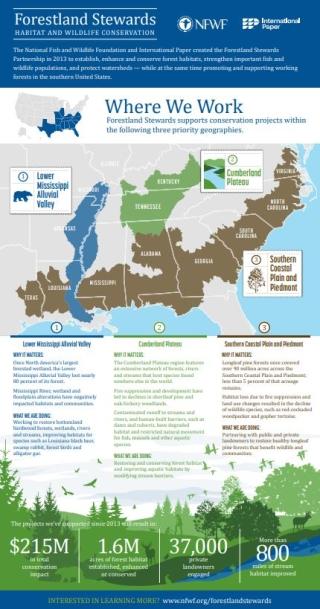
Responsible fiber sourcing helps sustain healthy forests, thriving ecosystems and a reliable supply of renewable forest products. At International Paper, we work with landowners, suppliers and forest managers across the United States to support practices that strengthen long-term forest health, biodiversity and resilience.
How Active Forest Management Can Reduce Wildfire Risk
The Deschutes National Forest, west of Bend, Oregon, shows how active forest management can improve forest resilience and address the growing risk of severe wildfires. Decades of fire suppression have left many forests overly dense, creating conditions that can fuel larger, more intense fires. Targeted thinning, underbrush removal and reductions in ladder fuels—vegetation that can carry fire into the forest canopy—help restore a healthier forest structure that is better able to withstand low-intensity fire.
How International Paper Supports Forest Restoration
International Paper’s Springfield, Oregon, mill and its supply chain partners support this work by providing a market for material generated through forest restoration. Creating value for smaller-diameter and lower-grade trees helps make projects that reduce wildfire risk and improve overall forest health more economically viable.
In a region that includes growing communities and popular recreation destinations, these forest management activities can help protect public safety, preserve access to outdoor spaces and support the long-term sustainability of the landscape. Deschutes National Forest demonstrates how responsible fiber sourcing, active forest management and viable markets for material generated through restoration activities can work together to build healthier, more resilient forests.