

How Does a National Recycling Program Work?
A national recycling program helps businesses manage recyclable materials across multiple facilities through a coordinated approach to collection, transportation, processing, and reporting. Organizations with warehouses, manufacturing facilities, distribution centers, and retail locations often use centralized systems to create consistency across their operations.
Rather than managing separate local efforts at each site, businesses can establish standardized procedures that make it easier to oversee material recovery activities across a broader network. For organizations generating large amounts of paper and packaging, these programs can support operational efficiency while helping teams maintain consistent recycling practices.
What Is a National Recycling Program?
A national recycling program is a coordinated strategy for managing recyclable materials across multiple business locations. Instead of using different procedures and recycling providers at each facility, organizations work to create consistent collection practices, reporting standards, and material handling processes.
These programs commonly focus on paper products, corrugated packaging, old corrugated containers (OCC), and other accepted recyclable materials. By creating a unified approach, businesses can better understand material volumes and optimize service needs across their operations.
Many organizations partner with providers that offer recycling services across multiple regions, helping simplify coordination between facilities while maintaining program consistency.
Why Businesses Use National Recycling Programs
As companies expand into new markets and operate facilities in multiple states, managing recyclable materials can become more complex. Different locations may generate different volumes of paper, packaging, and shipping materials, making it difficult to maintain the same standards everywhere.
A centralized approach helps businesses:
Create consistent recycling procedures
Improve visibility across locations
Simplify reporting efforts
Coordinate collections more effectively
Support waste reduction goals
Improve material recovery opportunities
For organizations handling large volumes of shipping materials, a structured approach can also help support ongoing cardboard recycling efforts across facilities.
How the National Recycling Process Works

Facility Assessment
The process usually begins with evaluating each location. Businesses review the types of recyclable materials generated, estimated volumes, available storage space, and operational requirements.
This assessment helps determine the most appropriate collection methods and equipment for each facility.
Collection and Storage
Once a plan is established, recyclable materials are collected at individual locations. Depending on volume and operational needs, facilities may use containers, balers, compactors, trailers, or designated storage areas.
Materials commonly collected include:
OCC (Old Corrugated Containers)
Corrugated packaging
Office paper
Mixed paper
Paperboard
Keeping materials clean and dry can help improve recovery outcomes and reduce contamination issues.
Transportation and Logistics
Depending on the location and material volume at each participating facility, collected materials are either transported to recycling facilities, consolidation points or directly to the end-user’s manufacturing facility for re-use in manufacturing new products. Transportation schedules may vary based on location, material volume, and operational requirements.
Organizations often rely on a recycling provider with coordinated recycling services capabilities to help ensure materials are collected consistently across multiple sites.
Material Recovery and Processing
For businesses that generate significant amounts of recyclable materials, such as OCC, and require a national recycling program, facilities can use baler equipment at collection to create mill-ready bales to ship directly to end-use manufacturers. Recovered fiber can then be used in the production of new paper-based products such as containerboard, paperboard, and corrugated packaging.
Ongoing cardboard recycling can help keep valuable fiber-based materials in circulation, which helps businesses achieve sustainability goals as well.
Reporting and Performance Tracking
One of the primary advantages of a national approach is the ability to monitor activity across multiple locations from a single source. Businesses can review collection data, material volumes, participation levels, and recovery trends to better understand overall program performance.
Consistent reporting can help organizations identify opportunities for improvement while maintaining oversight across their operations.
Industries That Commonly Use National Recycling Programs
Many industries generate recyclable materials as part of their daily activities and can benefit from a coordinated approach.
Common examples include:
Manufacturing
Warehousing
Distribution
Retail
E-commerce
Food and beverage operations
Consumer goods companies
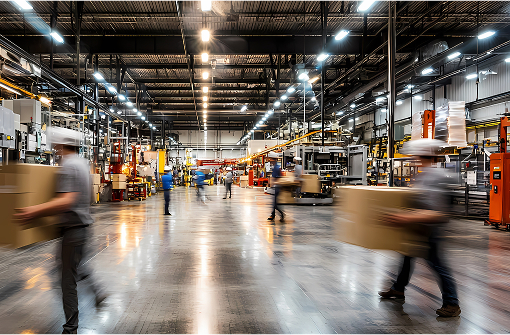
These organizations often handle recurring volumes of paper and packaging materials that can be managed through a structured recycling program spanning multiple locations.
Common Challenges
Managing recycling across multiple facilities can present unique challenges. Locations may have different operational needs, varying material volumes, or inconsistent collection practices.
Common obstacles include:
Contamination from non-recyclable materials
Limited storage capacity
Inconsistent employee participation
Different procedures between facilities
Reporting challenges across locations
Inconsistent safe trailer loading processes
Addressing these issues often requires clear communication, standardized guidelines, and regular program reviews.
Best Practices for Multi-Location Recycling
Organizations can strengthen recycling efforts by focusing on consistency and accessibility.
Helpful practices include:
Standardizing collection procedures
Using clearly labeled containers or other approved collection equipment
Training employees on accepted materials
Monitoring material quality
Reviewing service schedules regularly
Evaluating equipment needs based on volume
Establishing consistent reporting methods
These practices can help support a more effective recycling program while improving participation across locations.
Businesses may also benefit from working with providers that offer recycling services in multiple regions, making it easier to coordinate collections and maintain consistent standards.
The Role of National Recycling Programs in Sustainability
National recycling programs can help businesses recover recyclable materials while creating a more consistent approach to material management. For organizations that generate significant amounts of paper and corrugated packaging, coordinated recycling efforts can support broader sustainability objectives and improve operational organization.
As businesses continue looking for ways to manage recyclable materials more effectively, national programs provide a framework for improving consistency, visibility, and long-term resource recovery across multiple facilities. Learn more about International Paper’s national recycling solutions for commercial operations.
